

Like millions of 14-year-old boys, Eric dreamt of being a soccer player. Before school, he would practise; after school, he would practise again. When he speaks about his favorite team, Real Madrid, his eyes light up, his infectious smile radiant and full of life.
He points to the wall beside his bed, at a carefully hand-drawn Real Madrid badge – the only drawing he's kept up, though he's made dozens more.
"I had two dreams growing up. My main dream was to be a soccer player, and the other was to be a nurse. Now, I've lost the thing I wanted most – to be a soccer player."
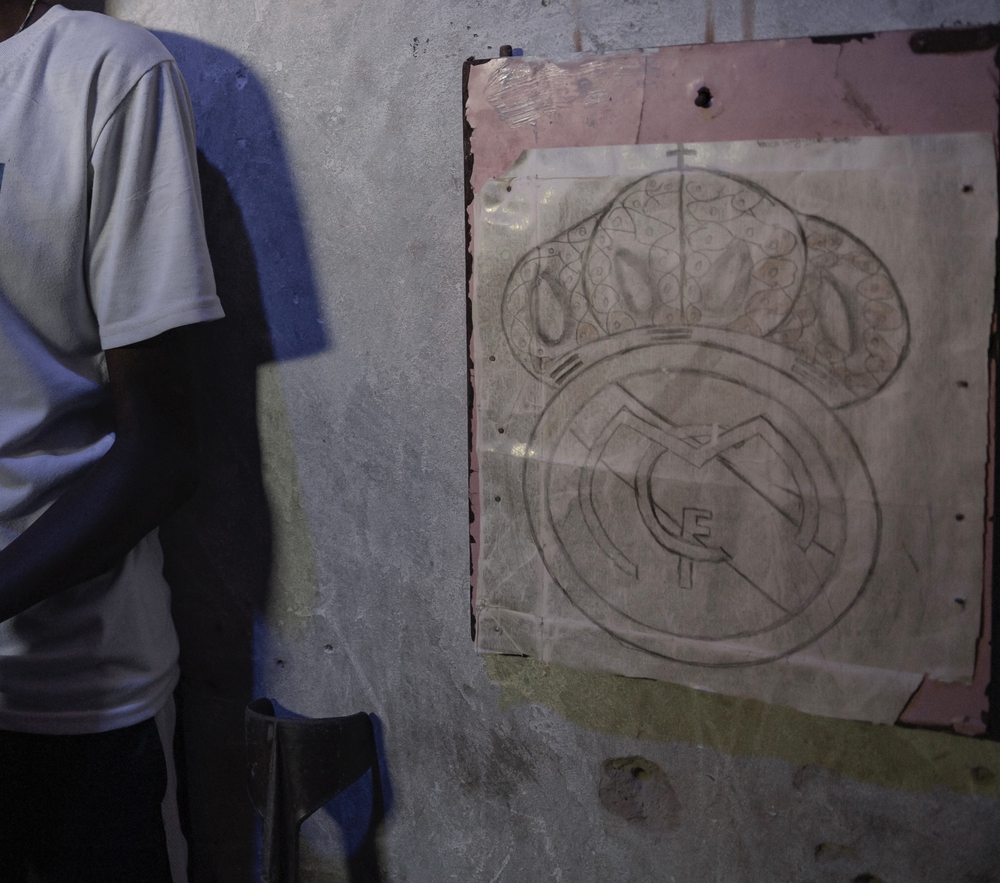
In November 2025, Eric lost his leg in a mortar explosion while searching for scrap metal to sell. Angola's 27-year civil war ended in 2002, but it left the country littered with landmines and abandoned military hardware - tanks, vehicles, weapons – much of it still carrying live explosives.
“After my accident, my life is a daily problem. I don’t go to school anymore because of my injury. When my friends go to school, I come back to my room, and I sleep. It might be hot, but I just want to be alone somewhere.”
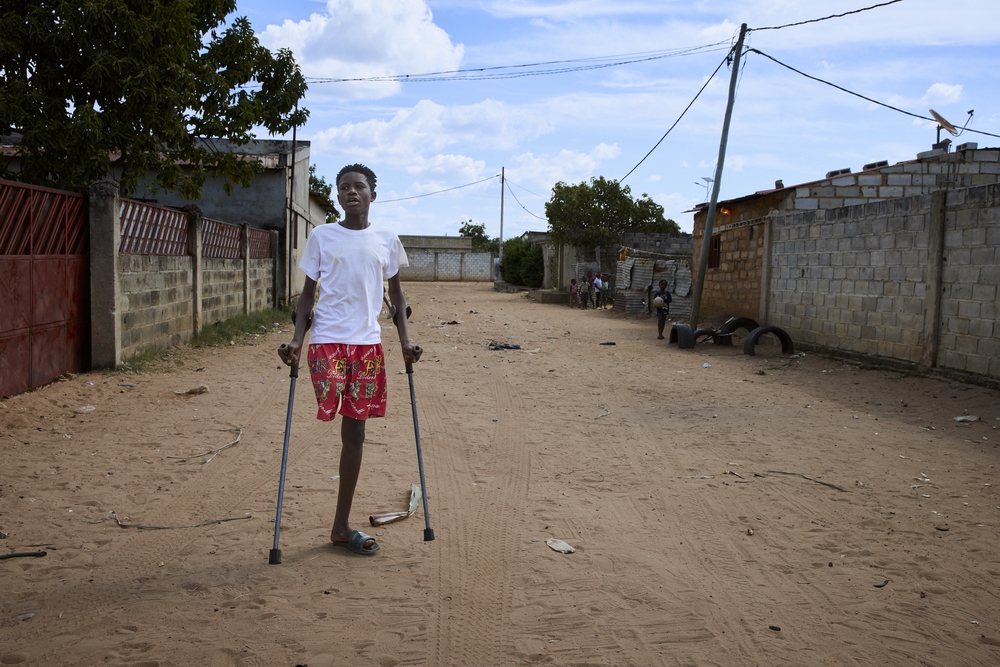
Even when children survive an explosion, injuries like Eric's are often more serious and harder to treat, frequently requiring a lifetime of surgery, prosthetics and rehabilitation – care that's often unavailable or unaffordable in the poorest regions of the world.
Eric’s dream of becoming a soccer player unites him with millions of other children across the world. The same game, the same dream, played out on streets and fields across the world.
But his injury reflects a wider pattern: across countries affected by recent or historic conflict, thousands of children have lost limbs to landmines and unexploded ordnance, ending dreams before they ever had the chance to begin. In Syria, for instance, 597 children have been injured and 257 killed by landmines and explosive ordnance since 2024.
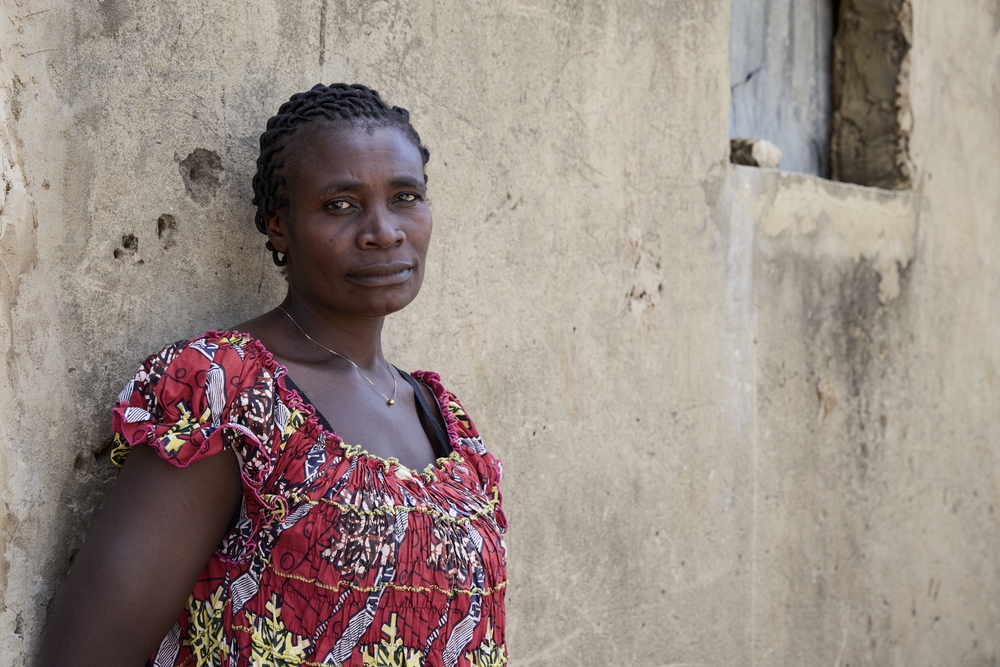
“We were at a funeral for my cousin when the accident happened. We were all in shock. It was a very sad day for me,” Eric's mother, Messiah said. “The whole family has suffered. We don’t know what to do, and we don’t know how to solve this problem. We are just sad.”
Messiah, sells groundnuts at the local market, grown on their small plot of land. A can sells for 250 kwanza – about $0.27. A prosthetic for Eric could cost up to $1,500.
Eric has yet to be seen by the local rehabilitation clinic and could be waiting for years to access specialist prosthetic services.
“I just want the prosthetic so I can go to school and so I can hang out with my friends, because my friends are my family. Wherever I go, I also want them to go with me.”
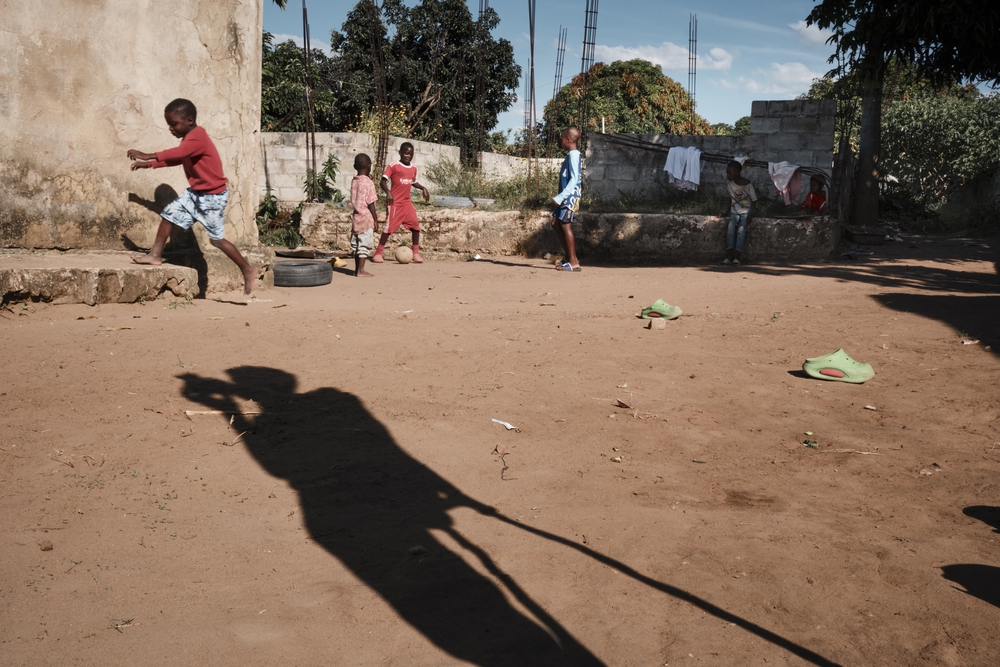
MAG has been working in Angola since 1994. Over the past 30 years, we have released more than 20 million square metres of land through clearance and delivered life-saving Explosive Ordnance Risk Education sessions to communities – particularly children who were born long after the war ended – teaching them how to identify, avoid and report landmines and explosives; work that could prevent another family from receiving the news that Messiah did.
Photos: MAG / Maryam Ashrafi


